
Quantum Algorithms: Unlocking New Computational Possibilities Beyond Classical Limits

In recent years, the realm of computing has been revolutionized by the advent of quantum algorithms, unlocking unprecedented possibilities that go beyond the constraints of classical computing. As traditional computers face limitations in processing power and speed, quantum computers harness the principles of quantum mechanics to solve complex problems at an astonishing pace. This article explores the foundations of quantum algorithms, their implications for various fields and the challenges that lie ahead in their implementation.
The Basics of Quantum Computing
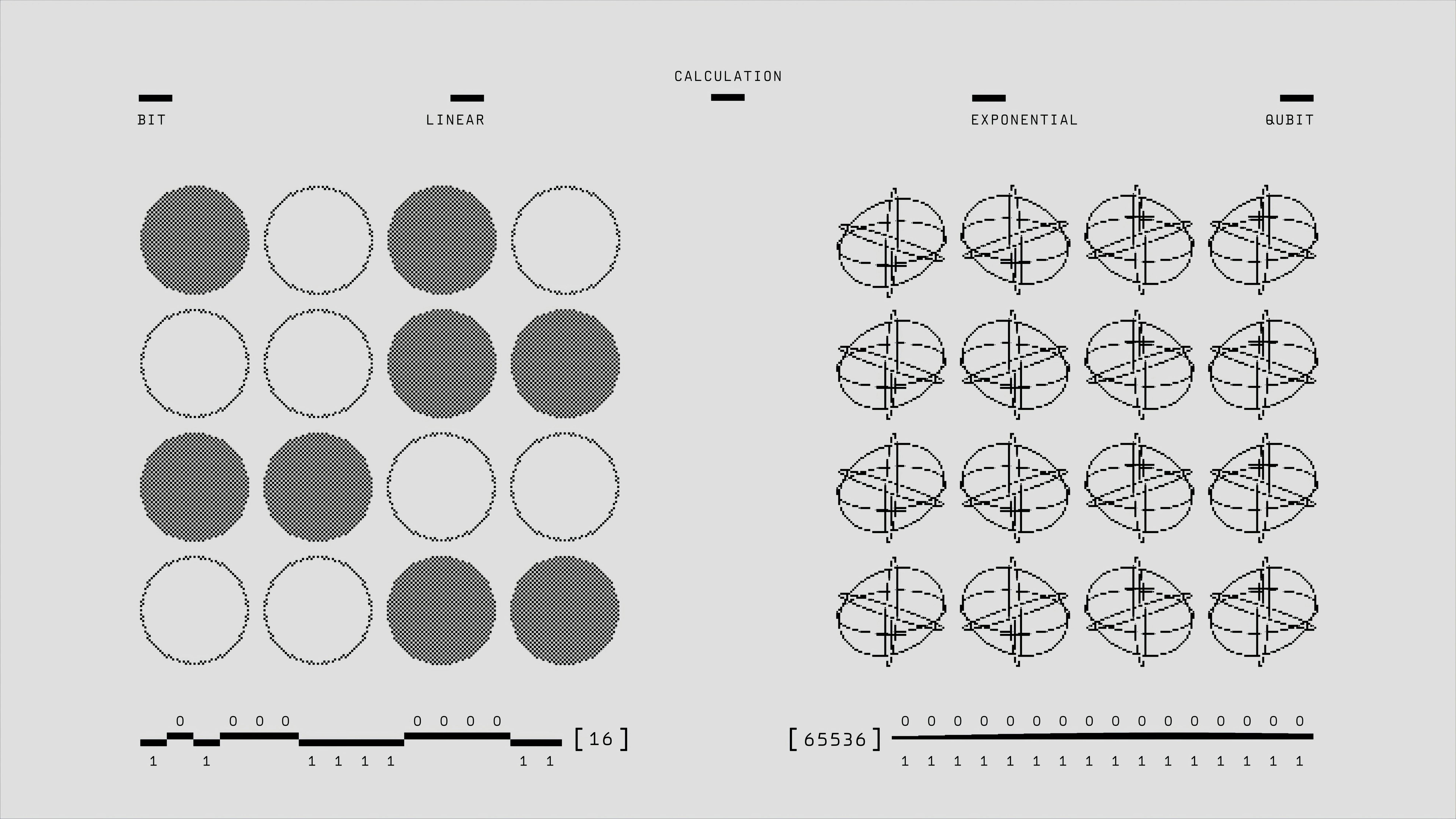
At the heart of quantum computing is the quantum bit or qubit. Unlike classical bits, which can be either 0 or 1, qubits can exist in multiple states simultaneously, thanks to a phenomenon known as superposition. This allows quantum computers to perform multiple calculations at once, dramatically increasing their processing power. Additionally, qubits can be entangled, meaning the state of one qubit is directly related to the state of another, no matter the distance between them. This unique property enables quantum algorithms to tackle problems that are practically insurmountable for classical systems.
Notable Quantum Algorithms
Several quantum algorithms have garnered significant attention for their potential, to revolutionize computing:
Shor’s Algorithm: Developed by Peter Shor in 1994, this groundbreaking algorithm demonstrates how quantum computers can factor large integers exponentially faster than the best-known classical algorithms. This has profound implications for cryptography, as many encryption methods rely on the difficulty of factoring large numbers. Shor's algorithm has the potential to render traditional encryption methods obsolete, prompting the need for quantum-resistant cryptographic techniques.
Grover’s Algorithm: Proposed by Lov Grover in 1996, this algorithm offers a quadratic speedup for unstructured search problems. While classical algorithms require linear time to search through a database, Grover’s algorithm can do so in approximately the square root of that time. This speedup opens new doors for optimization problems, such as those encountered in logistics, finance and machine learning.
Quantum Simulation: Quantum computers excel at simulating quantum systems, providing insights into complex physical phenomena, that are challenging for classical computers. For example, researchers can use quantum algorithms to model molecular interactions, paving the way for advancements in drug discovery, materials science and understanding fundamental physics.
Applications Across Industries
The implications of quantum algorithms extend across various sectors:
Healthcare: In drug discovery, quantum simulations can accelerate the identification of potential drug candidates, by accurately modeling the interactions between molecules. This capability can lead to faster and more efficient development of life-saving medications.
Finance: Quantum algorithms can optimize portfolios and assess risk more effectively, helping financial institutions navigate complex market dynamics. Additionally, they can improve fraud detection mechanisms, by analyzing vast amounts of transaction data in real-time.
Logistics and Supply Chain: Companies can leverage quantum algorithms to optimize routes and reduce costs in transportation and logistics. By efficiently solving complex optimization problems, businesses can streamline operations and enhance customer satisfaction.
Artificial Intelligence: Quantum computing has the potential to significantly enhance machine learning algorithms, enabling faster data processing and more accurate predictions. This could lead to advancements in areas like natural language processing, image recognition and autonomous systems.
Challenges in Quantum Computing
Despite the immense potential of quantum algorithms, several challenges remain:
Decoherence and Error Rates: Quantum systems are highly susceptible to environmental interference, which can lead to decoherence—loss of quantum information. Maintaining coherence long enough to perform computations is a significant hurdle and researchers are actively working on error-correcting codes and fault-tolerant quantum computing techniques.
Scalability: Building large-scale quantum computers with enough qubits to perform meaningful computations, is a complex engineering challenge. Current quantum devices are still in the early stages of development and scaling up, while maintaining performance and stability is a priority for researchers.
Software and Algorithms: While several quantum algorithms have been proposed, developing software that effectively utilizes quantum computing's unique properties, is still a work in progress. Researchers are exploring new quantum programming languages and tools, to make quantum computing more accessible.
Access and Infrastructure: As quantum computing becomes more prominent, ensuring equitable access to this technology is crucial. Public and private sectors must collaborate to create the necessary infrastructure and training programs, to equip future generations with the skills needed to thrive in a quantum world.
The Future of Quantum Computing
As researchers continue to unlock the secrets of quantum algorithms, the future looks promising. Investment in quantum research and development is surging, with tech giants and governments pouring resources into building the next generation of quantum computers. The establishment of quantum research centers and partnerships between academia and industry, is paving the way for groundbreaking discoveries.
While practical, large-scale quantum computing is still on the horizon, incremental advancements are already making waves in the scientific community. As quantum algorithms evolve and mature, they will undoubtedly reshape industries, enhance problem-solving capabilities and redefine our understanding of computation.
In conclusion, quantum algorithms represent a monumental leap forward in computing technology. By harnessing the principles of quantum mechanics, we stand on the brink of a new era of computational possibilities that will transform our world in ways we can only begin to imagine. The journey ahead is filled with challenges, but the potential rewards make it a pursuit worth undertaking.
References
Quantum Computing: Applications and Challenges - SpringerLink
The State of Quantum Computing Applications in Health and Medicine - Cambridge University Press & Assessment
Quantum Algorithms: A Survey of Applications and End-to-End Complexities - arxiv
Commercial Applications of Quantum Computing - arxiv