
Natural Language Processing: How AI is Changing Human-Computer Interaction

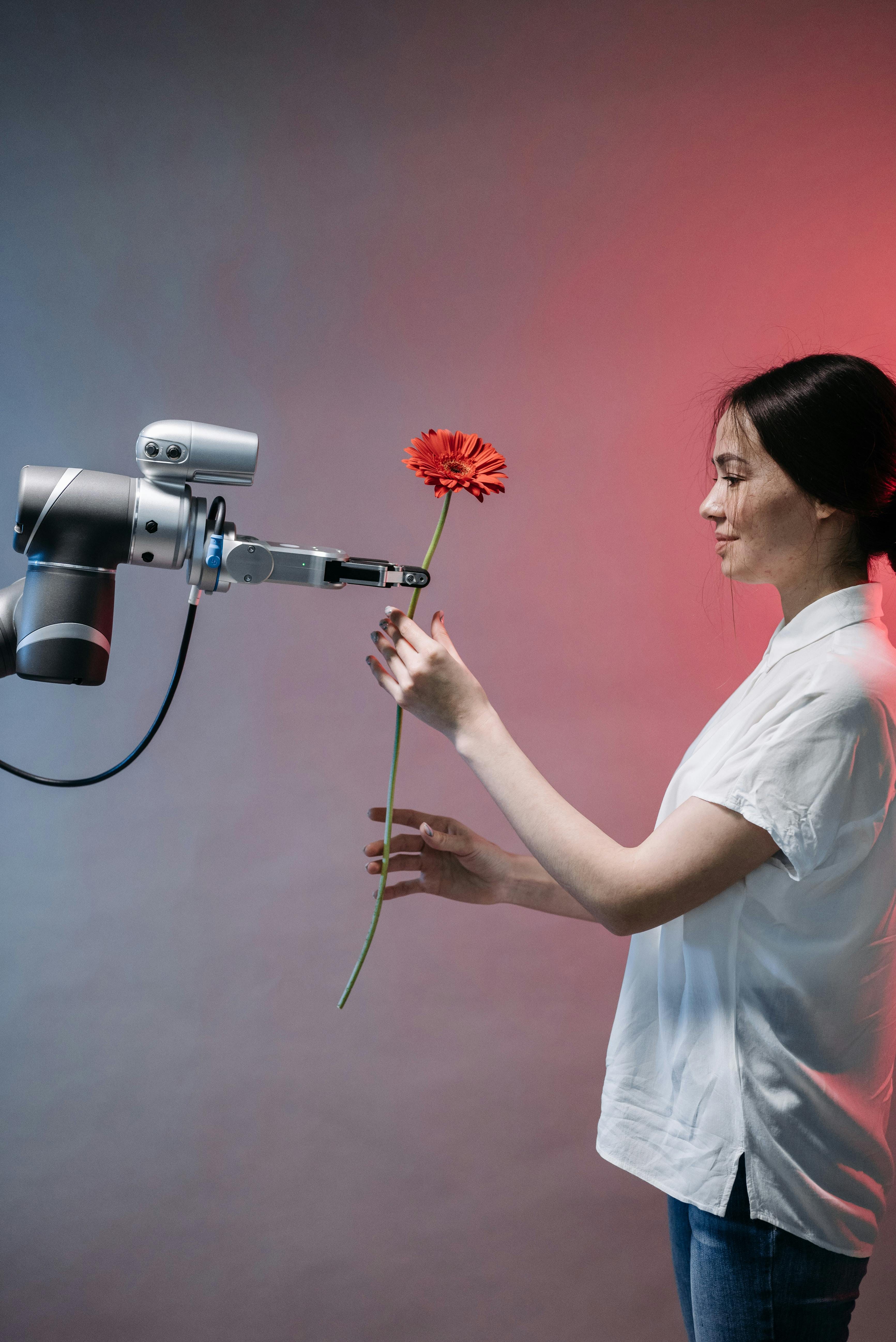
In the rapidly evolving technological and scientific ecosystem, one of the most transformative fields driving change is Natural Language Processing (NLP). A subfield of artificial intelligence (AI), NLP focuses on enabling machines to understand, interpret and react to human language. As we increasingly interact with computer systems, smartphones and other smart devices, NLP is playing a leading role in shaping the future of human-computer interaction (HCI). This shift, driven by advances in AI, is making our interactions with technology more instinctual, natural and effective. But what does this really mean and how is it affecting natural world?
The Evolution of Human-Computer Interaction
For a long period of time, human-computer interaction was dominated by interfaces that required professional knowledge. Early computer systems depended on command-line inputs, which meant users needed to recognize specific programming languages, in order to interact with machines. Over time, the introduction of graphical user interfaces (GUIs) restructured this interaction, simplifying it for non-experts to use computers through visual icons, windows and a mouse. However, as technology has evolved, the need for even more ideal, user-friendly interfaces has increased.
Natural language processing is answering this demand, enabling computer systems to understand spoken or written human language, rather than relying upon structured commands. With AI-powered NLP, machines can now analyze and recognize the nuances, context and intent of natural language. The result is a major transformation of how we engage with technology.
AI and the Power of Conversational Interfaces
The most noticeable application of NLP in everyday life, is through conversational interfaces, such as virtual assistants like Apple's Siri, Google Assistant and Amazon’s Alexa. These tools provide to users human–device, speech interaction, effectively by turning what was once a machine-driven interaction, into an immediate speech conversation that feels more spontaneously.
But the impact is transcending virtual assistants. Chatbots, as an example, have become increasingly familiar in customer service environments. They can handle a wide range of queries, from answering central questions to managing more exceptionally difficult transactions, without the need for human interference. Companies are using NLP to create more customized and receptive customer experiences and as the technology evolves, these bots are becoming more skilled at recognizing human emotions, sarcasm and ambiguity, as elements that were once challenging for machines to interpret.
Moreover, AI-driven NLP is pointing the way into business environments, where it helps in automatizing uninteresting and time-consuming assignments, such as document processing, summarizing reports and even generating content. This allows employees to concentrate in higher-level tasks, that require creativity and analytical reasoning.

Facing the Linguistic Barrier: NLP’s Role in Global Communication
In a progressively interrelated world, the ability to communicate across language barriers is becoming more crucial. Natural Language Processing is central to the development of real-time translation implementations, such as Google Translate and Microsoft Translator. These tools are powered by AI algorithms that analyze the structure of a source language and convert it into a target language with increasing accuracy. While early translation systems often struggled with grammar and context, today’s AI-powered platforms can interpret idiomatic variants, regional dialects and cultural environment, far better than their predecessors.
This capability has huge inferences on global commerce, diplomacy, education and travel, enabling people from different parts of the world to interact and collaborate more logically and harmoniously.
Beyond Language: NLP in Healthcare and Accessibility
One of the most exciting applications of NLP is in the healthcare industry. By analyzing vast amount of unstructured medical data (including patient records, clinical notes and research papers) AI systems can assist doctors in diagnosing conditions, recommending treatments and even predicting clinical results. The skill to process natural language is critical in this context, because a huge amount of healthcare data is in text form.
NLP is also opening up new possibilities for accessibility. For people with dysfunctions, particularly those with visual or motor impairments, AI-powered voice assistants can serve as invaluable implementations. Speech recognition technology allows users to interact with their devices without the need for touch or sight, offering a degree of independence and accessibility that would have been unachievable just a few years ago.
Challenges in NLP: Bias and Ethics
While the advances in NLP are impressive, the field is not without its challenges. One significant concern is bias. AI systems learn from large datasets and if those datasets contain biased language or reflect social inequalities, the AI can perpetuate and even amplify those biases. For example, NLP models might associate certain professions with specific genders based on the data they are trained on, reinforcing stereotypes. Addressing these issues requires careful consideration, both in terms of how data is curated and how algorithms are designed.
Additionally, as NLP systems become more sophisticated, ethical questions about privacy and security arise. Voice assistants, for instance, rely on continuous listening to function efficiently. Ensuring that this data is handled responsibly, with the proper safeguards in place, is essential for maintaining trust in AI technologies.
The Future of Human-Computer Interaction
The future of human-computer interaction will likely be dominated by natural language. As NLP continues to advance, we can expect even more seamless and sophisticated interactions with machines. Imagine a world where devices not only understand what we say but also anticipate our needs, communicate in more nuanced ways and even understand and respond to our emotions.
In this world, the boundary between humans and computers will blur even further, allowing for a more fluid and intuitive exchange of ideas and information. This shift will be a testament to the power of AI and especially NLP, in transforming the way we live, work and communicate.
Ultimately, the ongoing improvements in NLP are making technology more accessible, efficient and human-centered, promising a future where human-computer interaction feels less like an interaction with a machine and more like a natural conversation with a helpful companion.
Conclusions
In this era of technological evolution, Natural Language Processing is becoming a cornerstone of AI's impact on society. From streamlining customer service to advancing healthcare and breaking down language barriers, NLP is reshaping the way we interact with computers and by extension, the world. As the technology continues to mature, the possibilities for deeper, more meaningful human-computer connections are bound to grow, opening doors to new realms of innovation and accessibility.
References
Natural Language Processing and HCI - AI Briefing Room
AI-Powered Conversational Agents - ACL Anthology
NLP's Impact on Interaction Models - ACL Anthology