
Mapping the Human Brain: The Quest to Understand Neural Connections

Introduction
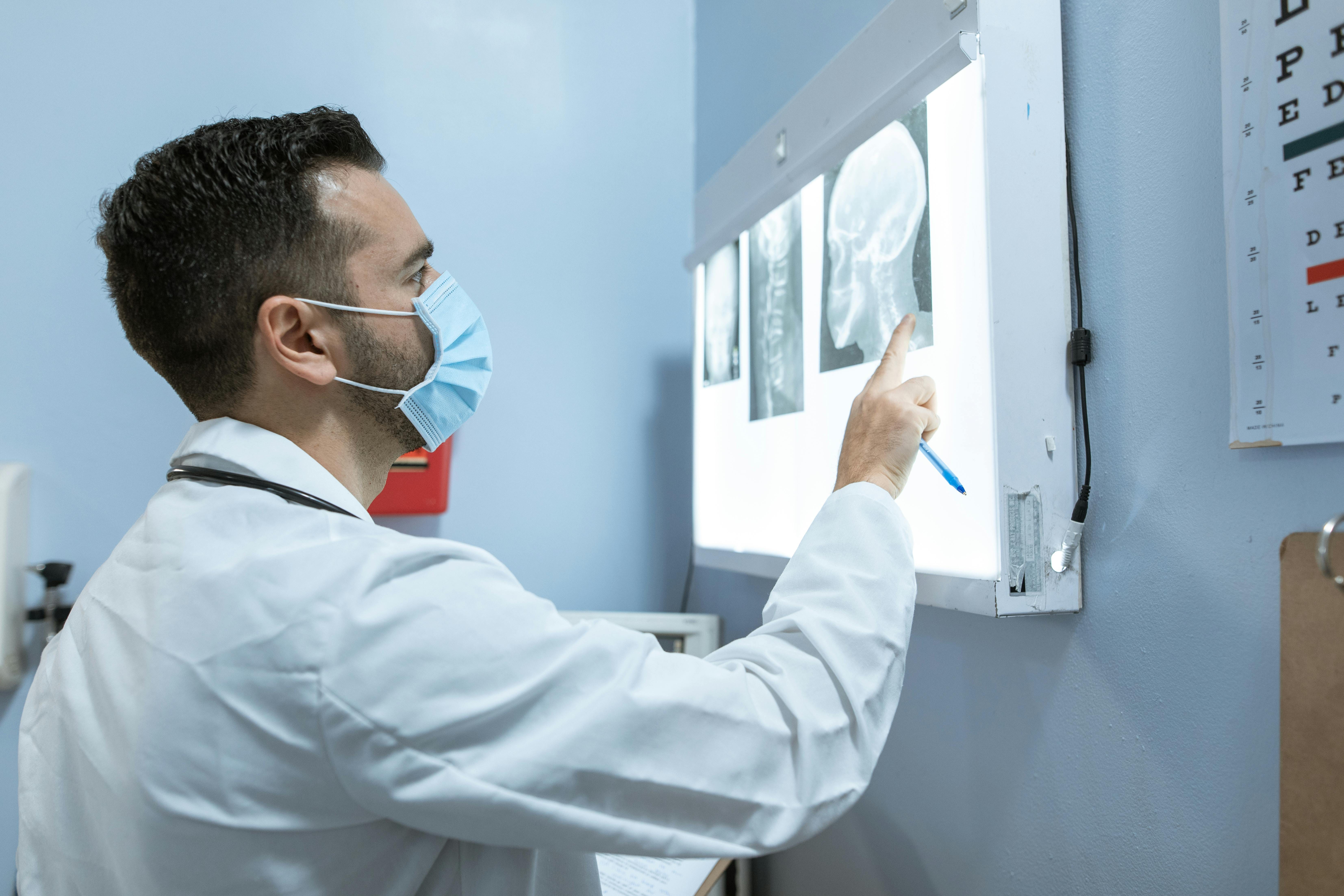
The human brain is an sophisticated network of neurons, synapses and various other cells that operate together, in order to create thoughts, emotions and actions. Recognizing the manner in which these connections function, is a key quest in neuroscience, which can lead to significant advances in the fields of medical science, psychology and artificial intelligence. This article explores the current state of the art, in mapping the human brain, the technologies used, the challenges faced and the implications of this work for our understanding of the mind and mental health.
The Importance of Neural Connections
Neural connections constitutes the cornerstone of all brain functions. Each neuron can form thousands of connections, creating a enormous web of communication routes. These connections are crucial for everything from basic motor functions to complex cognitive processes, like reasoning and decision-making. Research indicates that the patterns of neural connections, also known as the connectome, may be as important as the individual functions of neurons themselves. Recognizing these patterns could clarify the mechanisms underlying various neurological disorders, such as Alzheimer’s, Parkinson’s and autism spectrum disorders.
Current Research Initiatives
Several high-profile initiatives are underway to map the human brain extensively. The Human Connectome Project (HCP) is a landmark effort that began in 2009, aiming to build a comprehensive map of the human brain’s connections. The HCP applies advanced neuroimaging techniques, including diffusion MRI, which tracks the movement of water molecules in the brain to identify white matter tracts and functional MRI (fMRI), which measures brain activity by detecting changes in blood flow. Cooperatively, these techniques develop detailed maps of neural pathways and their functional significance.
Another essential initiative is the BRAIN Initiative (Brain Research through Advancing Innovative Neurotechnologies), launched in 2013 in the United States. This project aims to reform our knowledge of the brain, through innovative technologies, enabling researchers to measure and manipulate neural circuits, in real time. By developing new tools, such as optogenetics and advanced imaging methods, scientists expect to discover how neural circuits govern behavior, emotions and cognition.
Technological Advances
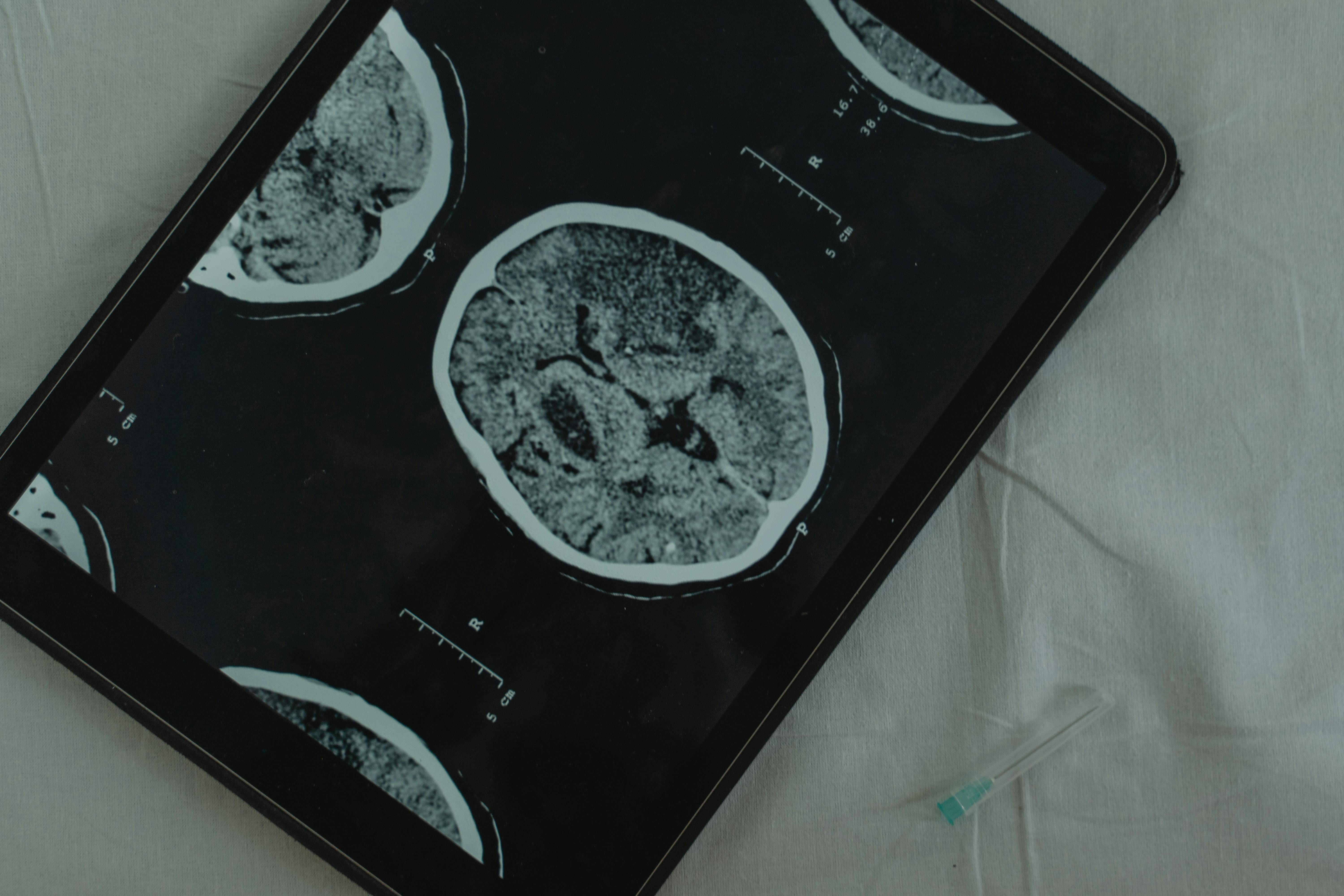
The quest to map the human brain has been importantly assisted by technological advancements. Innovations in imaging technologies, such as high-resolution MRI and electron microscopy, empower researchers to visualize neural connections at extraordinary levels of detail. For example, the scientific approach of connectomics, which employs techniques like serial block-face scanning electron microscopy, has enabled the mapping of entire neural circuits in animal models, offering insights that could eventually be applied to humans.
Additionally, machine learning algorithms are being developed to analyze large amounts of information, generated by neuroimaging techniques. These algorithms can identify patterns in neural connectivity that may be too complex for human analysis alone. By employing artificial intelligence, researchers can accelerate the discovery process and enhance the accuracy of brain mapping efforts.
Challenges in Mapping the Brain
Notwithstanding significant progress, the endeavor to map the human brain and the analysis of its mapping, fraught with challenges. One of the primary obstacles is the great complexity of the brain’s structure. The human brain contains approximately 86 billion neurons, each forming thousands of synaptic connections, resulting in trillions of potential pathways. Capturing this complexity in a single, cohesive map is a monumental task that researchers are still grappling with.
Moreover, individual differences in brain structure and function can complicate mapping efforts. Each person’s connectome is unique, influenced by genetics, experiences and environmental factors. Developing a comprehensive and standardized map that accounts for these variations remains a significant hurdle.
Ethical considerations also play a role in brain mapping research. The potential for misuse of data, particularly regarding neurotechnology that can manipulate brain functions, raises important ethical questions. Ensuring that research adheres to ethical standards while advancing scientific knowledge is crucial for the integrity of neuroscience.
Implications for Mental Health and Medicine
The implications of successfully mapping the human brain are major, particularly for mental health and medical treatment. A detailed understanding of neural connections could lead to more targeted interventions for neurological and psychiatric disorders. For instance, insights into how specific neural circuits contribute to conditions like depression or schizophrenia may pave the way for novel therapeutic approaches that address the root causes of these disorders, rather than merely alleviating symptoms.
Moreover, brain mapping can enhance our understanding of cognitive decline associated with aging and neurodegenerative diseases. By identifying early biomarkers of brain degeneration, researchers could develop strategies for prevention and early intervention, potentially improving the quality of life for millions of individuals.
Future Directions
Looking ahead, the future of brain mapping is promising. As technology continues to evolve, the potential for more refined and comprehensive maps of the human connectome increases. Collaborative efforts among researchers, engineers, and ethicists will be essential to address the challenges and ethical considerations involved in this research.
Furthermore, the integration of brain mapping with other fields, such as genetics and behavioral science, holds promise for a more holistic understanding of human behavior and cognition. The convergence of these disciplines could lead to groundbreaking discoveries, that reshape our understanding of the brain and its functions.
Conclusion
The quest to map the human brain is a monumental scientific endeavor that promises to enhance our understanding of the mind and its complexities. Through innovative technologies and collaborative efforts, researchers are uncovering the intricate web of neural connections that underpin human thought, emotion and behavior. As we continue to unravel the mysteries of the brain, the potential for transformative advancements in medicine, mental health and artificial intelligence grows. The journey is long and fraught with challenges, but the pursuit of knowledge about our most intricate organ is one of the most compelling quests of our time.
References
Sporns, O. (2011). The Human Connectome: A Structural Description of the Human Brain. PLoS Biology, 9(4), e1001036.
Van Essen, D. C., & Ugurbil, K. (2012). The Human Connectome Project: A Data Acquisition Perspective. NeuroImage, 62(4), 2222-2231.
BRAIN Initiative. (2014). A Framework for the BRAIN Initiative. Nature, 515(7526), 24-25.
Amunts, K., & Zilles, K. (2015). Architecture of the Human Brain. In Human Brain Function (pp. 51-77). Academic Press.
Duffy, C. J., & Karam, C. (2017). Neural Mechanisms of Spatial Navigation in the Human Brain. Nature Reviews Neuroscience, 18(9), 655-671.
Amunts, K., & Zilles, K. (2016). The Human Connectome: A Comprehensive Mapping of the Human Brain. Nature Reviews Neuroscience, 17(10), 653-664.
Poldrack, R. A. (2018). The New Mind Readers: What Neuroimaging Can and Cannot Tell Us About Our Thoughts. Princeton University Press.