
Engineered Microbes for Bioremediation: Using Bacteria to Clean Up Environmental Pollutants

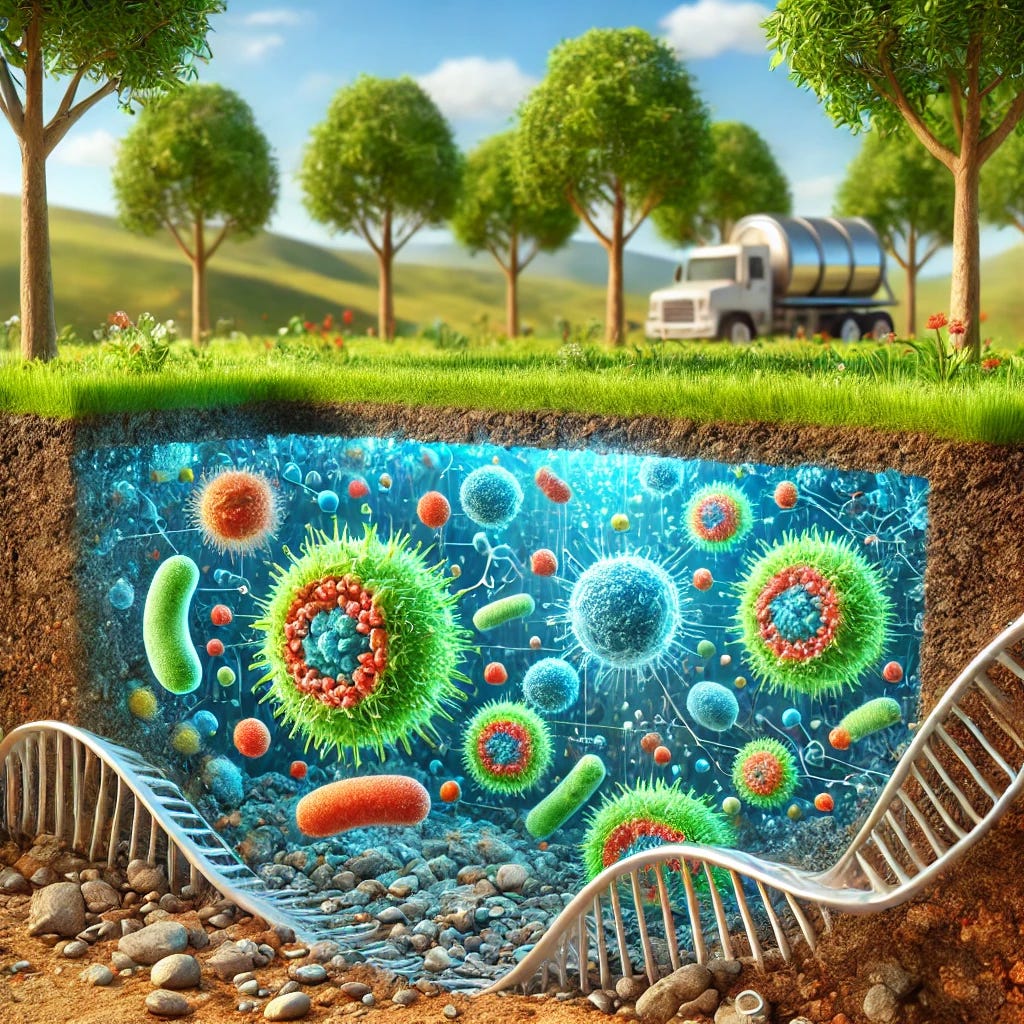
In recent years, the world has witnessed a significant rise in environmental pollution due to industrial activities, agricultural practices and urbanization. As the ecological consequences of these pollutants become increasingly dire, scientists and environmentalists have turned to an unexpected ‘supporter’ in the battle against environmental degradation: engineered microbes. These genetically modified bacteria carrying exceptional capabilities that allow them to reduce harmful substances, making them a vital tool in bioremediation efforts.
Understanding Bioremediation
Bioremediation is the process of using living organisms, particularly microorganisms, to clean up tainted landscapes. This method harnesses the natural ability of bacteria and fungi to break down pollutants into less harmful substances. While traditional methods of restoration, such as excavation and chemical treatment, can be effective, they often come with high costs and environmental risks. In contrast, bioremediation is typically more viable and biodegradable.
The introduction of engineered microbes into the field of bioremediation represents a revolutionary advancement. By exploiting the genetics of these organisms, scientists can enhance their natural abilities, enabling them to target specific pollutants more effectively. This precision is essential, as different contaminants require tailored approaches for optimal degradation.
Engineering Microbes: The Science Behind It
The engineering of microbes for bioremediation often involves techniques such as CRISPR-Cas9 gene editing and synthetic biology. Scientists can insert, delete or modify specific genes in bacteria, enhancing their ability to metabolize pollutants like heavy metals, hydrocarbons and pesticides. For instance, researchers have engineered certain strains of Pseudomonas and Bacillus bacteria to degrade complex hydrocarbons found in oil spills, significantly accelerating the cleanup process.
One of the most exciting developments in this field is the creation of "biosensors". These engineered microbes can detect the presence of specific pollutants and signal their presence by changing color or producing a measurable output. This technology not only aids in the identification of contaminated sites but also allows for real-time monitoring of the effectiveness of bioremediation efforts.
Case Studies: Success Stories in Bioremediation
Several successful case histories illustrate the potential of engineered microbes in bioremediation. One notable example occurred in 2010 when the Deepwater Horizon oil spillage released millions of gallons of crude oil into the Gulf of Mexico. In the aftermath, researchers deployed engineered Pseudomonas strains capable of degrading oil. These bacteria helped accelerate the natural degradation processes, ultimately reducing the ecological impact of the spill.
Another instance involved the cleanup of heavy metal-contaminated sites. Scientists engineered Escherichia coli to absorb lead and other toxic metals from contaminated water sources. The modified bacteria not only removed these harmful substances but also facilitated their recovery, allowing for potential recycling and reuse of valuable metals.
Challenges and Ethical Considerations
While the potential of engineered microbes in bioremediation is vast, challenges remain. Regulatory hurdles, public perception and the ecological impact of releasing genetically modified organisms into the environment are significant concerns. Reaching an agreement on innovation and safety is paramount. Researchers advocate for comprehensive assessments to evaluate the potential risks and benefits associated with deploying engineered microbes, in natural ecosystems.
Additionally, ethical considerations regarding the usage of genetic engineering in microorganisms have sparked debates among scientists, policymakers and the public. Transparency in research and open dialogue about the implications of bioremediation technologies are essential to foster public trust and, therefore, social harmony.

The Future of Bioremediation
Looking ahead, the future of bioremediation using engineered microbes appears promising. As technology continues to make progress, the precision and efficiency of these microorganisms will be improved, allowing for more effective cleanups of diverse pollutants. Collaborations between scientists, industry stakeholders and environmental organizations will be crucial in driving innovation and implementing bioremediation strategies on a larger scale.
Moreover, public awareness and education about the benefits of bioremediation and the role of engineered microbes will be vital, in overcoming skepticism. As communities become more engaged in environmental issues, the support for sustainable solutions will grow, paving the way for a cleaner and healthier planet.
Conclusion
Engineered microbes represent a powerful tool in the fight against environmental pollution. Through innovative genetic engineering and bioremediation strategies, these microorganisms have the potential to significantly reduce harmful pollutants and restore contaminated ecosystems. As we confront the growing challenges of pollution, embracing the science of engineered microbes offers hope for a more sustainable future. The road to cleaner environments is in an initiative state and with continued research and collaboration, engineered microbes may play a pivotal role in healing our planet.
References
Perspectives of Genetically Engineered Microbes for Groundwater Bioremediation -RSC Publishing
Microbial Bioremediation of Environmental Pollution - MDPI
Microbial Bioremediation as a Tool for the Removal of Heavy Metals - SpringerOpen
Bioremediation of Organic Pollutants by Genetically Engineered Microbes - RSC Publishing
Recent Advances in Microbial Bioremediation Technologies - MDPI