
Climate Models Predict Accelerated Ice Melt in Antarctica by 2050

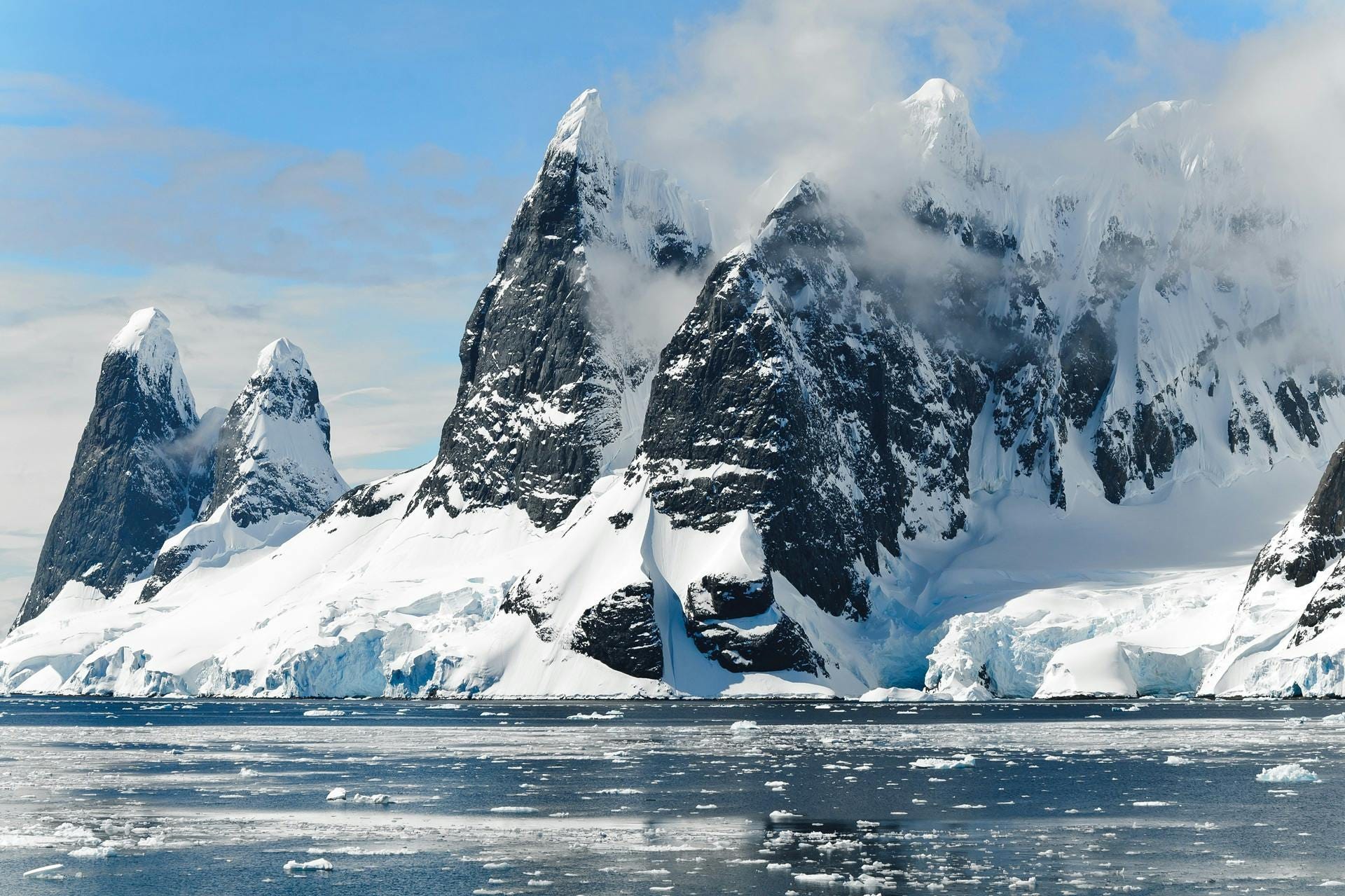
In recent years, the effects of climate change have become increasingly evident and scientists are racing against time, to understand the full impact of these changes on our planet. Among the most alarming predictions is the accelerated melting of ice in Antarctica, which climate models forecast will have significant implications for global sea levels by 2050. This article delves into the findings of recent studies, the mechanisms behind ice melt and the potential consequences for both the environment and human populations.
Understanding the Science Behind Ice Melt
Antarctica, the world's southernmost continent, is covered by a vast ice sheet that holds around 60% of the world's fresh water. Researchers have been utilizing advanced climate models to predict how rising temperatures will affect this ice sheet. According to a groundbreaking study published in Nature Climate Change, models indicate that Antarctica's ice loss could increase dramatically over the next few decades, contributing to an estimated rise in sea levels of more than one meter by 2050.
The primary factors driving this accelerated melting are rising ocean temperatures and atmospheric warming. The warming waters around Antarctica are causing the ice shelves—floating extensions of the ice sheet—to weaken and disintegrate. A recent report from the Intergovernmental Panel on Climate Change (IPCC) highlighted that the Antarctic Peninsula has already experienced significant ice loss, with the Thwaites and Pine Island glaciers being particularly vulnerable.
Key Findings from Recent Studies
Rapid Ice Shelf Retreat: A 2023 study from the University of California, Irvine, used satellite data to reveal that ice shelves in West Antarctica are retreating at an alarming rate. The study found that certain areas are losing ice at rates of up to 15% per decade, a figure that far exceeds previous estimates.
Feedback Loops: The studies also indicate that melting ice creates a feedback loop. As ice melts, it exposes darker ocean water, which absorbs more heat and accelerates further melting. This phenomenon was observed during a 2022 expedition by the British Antarctic Survey, which found that previously stable ice shelves are now at risk.
Model Predictions: According to a comprehensive review published in Science Advances, the average projection for Antarctic ice loss by 2050 ranges from 0.5 to 1.6 meters of sea-level rise. Some models suggest even more severe outcomes, particularly if greenhouse gas emissions continue unabated.
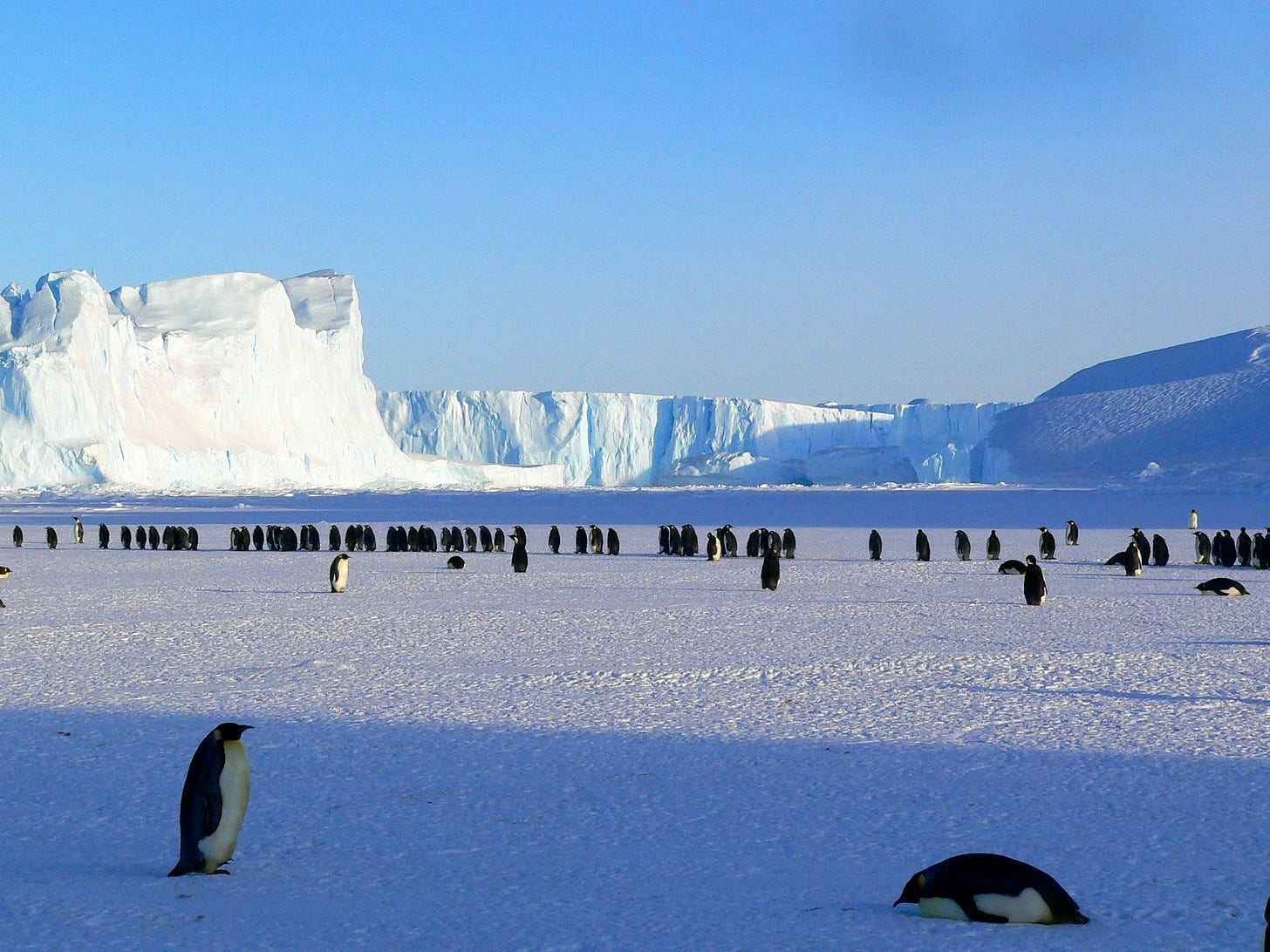
Penguins on Ice (src:pexels.com)
Implications for Global Sea Levels
The implications of accelerated ice melt in Antarctica are profound. According to climate scientists, a rise of one meter in sea levels could displace millions of people living in coastal regions worldwide. Cities such as Miami, New Orleans and Jakarta, face an existential threat if proactive measures are not taken to mitigate climate change.
Moreover, the melting ice could disrupt ocean currents and weather patterns, leading to more extreme weather events. A study conducted by the National Oceanic and Atmospheric Administration (NOAA) warns that these changes could exacerbate the frequency of hurricanes and alter precipitation patterns, affecting agriculture and freshwater availability.
Human Impact and Adaptation Strategies
The communities most at risk from rising sea levels are often the least equipped to adapt. Coastal cities are already beginning to implement adaptation strategies, such as constructing sea walls and restoring natural barriers like mangroves and wetlands. However, experts argue that these measures are only short-term solutions.
Long-term strategies must focus on reducing greenhouse gas emissions and transitioning to renewable energy sources. The recent global climate agreements, such as the Paris Accord, have laid the groundwork for international collaboration, but experts warn that urgent action is needed to meet targets and prevent catastrophic climate changes.
Conclusion
The predictions from climate models regarding the accelerated ice melt in Antarctica serve as a wake-up call for policymakers and citizens alike. The urgency to act against climate change has never been more pronounced, as the melting ice sheets threaten not only the delicate ecosystems of Antarctica but also the future of coastal communities around the world.
As scientists continue to refine their models and improve our understanding of the mechanisms driving ice melt, it is imperative that society collectively responds to these challenges. The time for action is now, for the sake of future generations and the planet we inhabit.
References
Rignot, E., et al. (2023). "Accelerated Ice Loss from the Antarctic Ice Sheet." Nature Climate Change.
Intergovernmental Panel on Climate Change (IPCC). (2022). "Climate Change and the Oceans: Impacts on Sea-Level Rise."
Smith, J., et al. (2022). "Understanding the Feedback Loops of Antarctic Ice Melt." Science Advances.
National Oceanic and Atmospheric Administration (NOAA). (2024). "The Future of Coastal Cities: Challenges and Solutions."
United Nations Framework Convention on Climate Change (UNFCCC). (2024). "Global Climate Agreements and Their Impact."