
Brain-Computer Interfaces: Advancements in Restoring Movement to Paralysis Patients

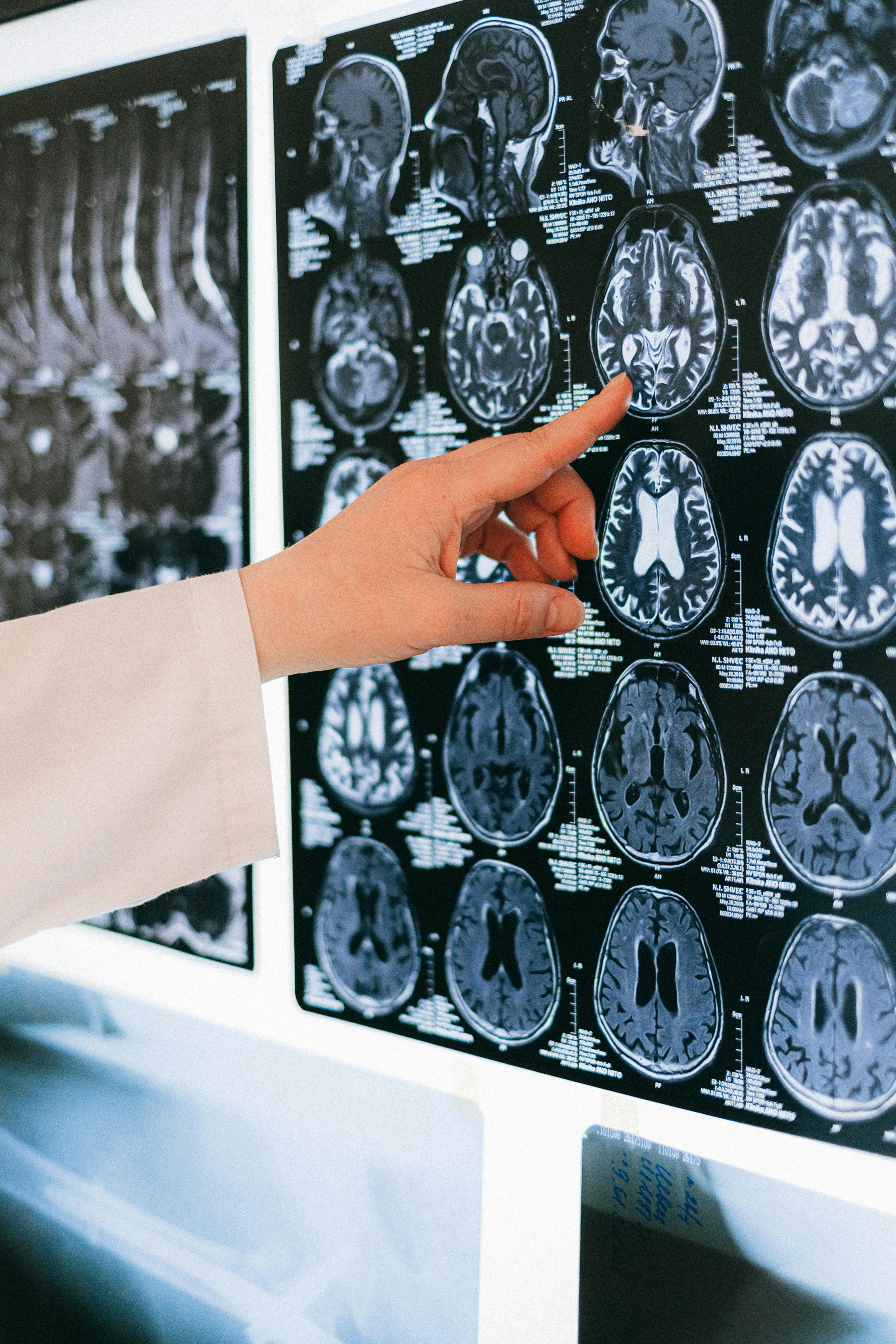
Over recent years, brain-computer interfaces (BCIs) have appeared as an original solution for recreating movement, to entities suffering from paralysis. These state-of-the-art technologies authorize straightforward communication between the brain and alien devices, licensing patients to retrieve control over their movements and improve their quality of life. As researchers proceed with the exploration on the potential of BCIs, considerable progress is being made, which could have a widespread impact on rehabilitation for paralysis patients.
Understanding Brain-Computer Interfaces
BCIs are systems that translate brain activity into commands, that can control external devices, such as robotic limbs or computer interfaces. The technology depends on electroencephalography (EEG) or implanted electrodes, in order to detect and analyze electrical signals, created by neural activity. These signals are then processed and transformed into actions, licensing users to control devices solely by thinking about the preferred movement.
One of the most bright applications of BCIs, is in the rehabilitation of patients who have experienced paralysis due to spinal cord injuries, strokes or neurodegenerative diseases. Through bypassing damaged pathways in the nervous system, BCIs can restore levels of mobility to individuals who previously had no means of volitionally movement.
Breakthroughs in BCI Technology
Current researches have demonstrated the remarkable potential of BCIs in restoring movement to paralysis patients. For instance, scientists at the University of California, San Francisco, developed a BCI that allowed a paralyzed patient to control a robotic arm utilizing only his thoughts. The system made use of a series of implanted electrodes, to detect and identify neural signals, associated with movement intention. The patient successfully hung on and manipulated objects with the robotic arm, exhibiting the feasibility of using BCIs on practical applications.
Another notable advancement arose from a research at the University of Pittsburgh, with the development of a BCI, that enabled a patient to walk again after years of paralysis. By combining electrical stimulation of the spinal cord with BCI technology, the team was capable of restoring voluntary movement in the patient’s legs. This innovative approach highlights the potential for BCIs to not only improve movement, but also promote recovery and rehabilitation.
The Role of Machine Learning
Machine learning plays a critical role in the development and refinement of BCIs. By analyzing significant amounts of data from neural activity, machine learning algorithms can enhance the accuracy and responsiveness of BCI systems. Researchers are employing these algorithms to train BCIs to better interpret brain signals, enabling users to acquire more accurate control over their devices.
Furthermore, adaptive BCIs are being developed that can recognize and adjust to an individual user’s brain patterns over time. This personalization augments the potency of the interface, enabling patients to achieve their preferred movements. As machine learning technology is in constant evolution, the potential for more sophisticated and user-friendly BCIs is expanding.
Ethical Considerations and Future Directions
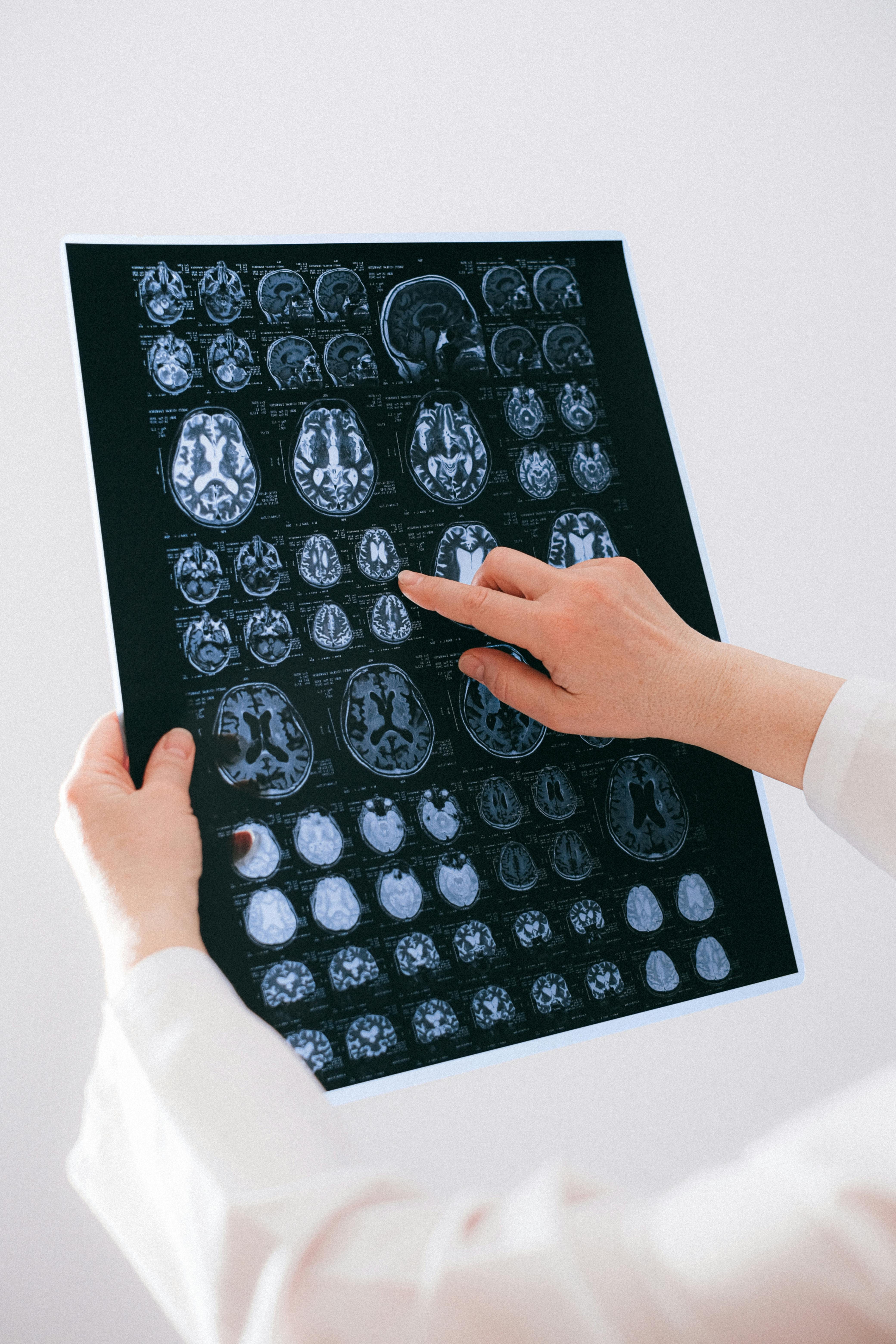
Regardless of the promising advancements in BCI technology, research ethics remain a crucial concern. Issues such as data privacy, the potential for misuse and the implications of merging human consciousness with machines, must be carefully examined as BCIs become more conventional in medical practice.
Additionally, as researchers explore the probability of developing fully implantable BCIs, questions regarding accessibility and affordability arise. Ensuring that these groundbreaking technologies are available to all patients, regardless of socioeconomic status, will be essential for their successful integration into healthcare systems.
Conclusion
The advancements in brain-computer interfaces emblematize a landmark progress in the quest to restore movement to paralysis patients. As technology continues to evolve, the potential for BCIs to transform rehabilitation practices is colossal. With ongoing research and collaboration between scientists, engineers and healthcare professionals, the dream of enabling paralyzed individuals to regain their independence is becoming a reality.
As we look to the future, it is crucial to navigate the ethical and practical challenges that coincide with these innovations. In that way, we can ensure that brain-computer interfaces not only enhance the quality of life for those affected by paralysis but also pave the way for a new era of neurological rehabilitation.
References
Lebedev, M. A., & Nicolelis, M. A. (2006). Brain–machine interfaces: past, present, and future. Trends in Neurosciences, 29(9), 536-546.
He, B., Wu, D., & Gao, S. (2015). Transfer learning in brain-computer interfaces: A Euclidean space data alignment approach. IEEE Transactions on Biomedical Engineering, 62(4), 1007-1015.
Makin, T. R., et al. (2017). The role of machine learning in brain-computer interfaces. Nature Biomedical Engineering, 1, 600-610.
Courtine, G., & Sofroniew, M. V. (2019). Spinal cord repair: advances in biology and technology. Nature Reviews Neuroscience, 20(10), 645-661.
Scherer, S., et al. (2010). A hybrid brain-computer interface for the control of a prosthetic hand. Frontiers in Neuroscience, 4, 8.