
Agricultural Genomics: Engineering Crops for a Changing Climate

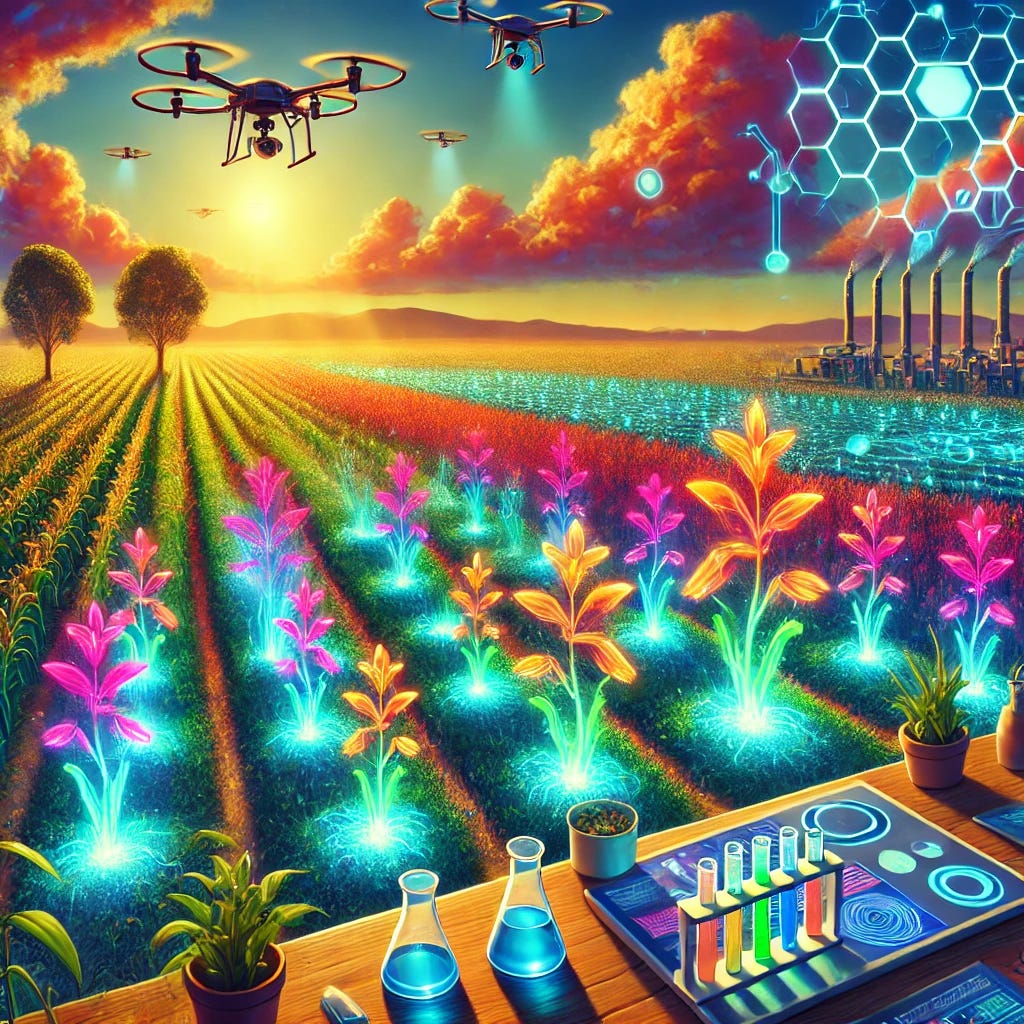
As the global population continues to surge toward an estimated 10 billion by 2050, the demand for food is becoming increasingly urgent. However, climate change poses a significant threat to agriculture, fluctuating weather patterns and reducing crop yields. In this sense, agricultural genomics emerges as a powerful tool to engineer efficient crops capable of thriving in changing climates. This subject area involves exploiting the genetics of plants to enhance their growth, productivity and resistance to environmental impact.
Understanding Agricultural Genomics
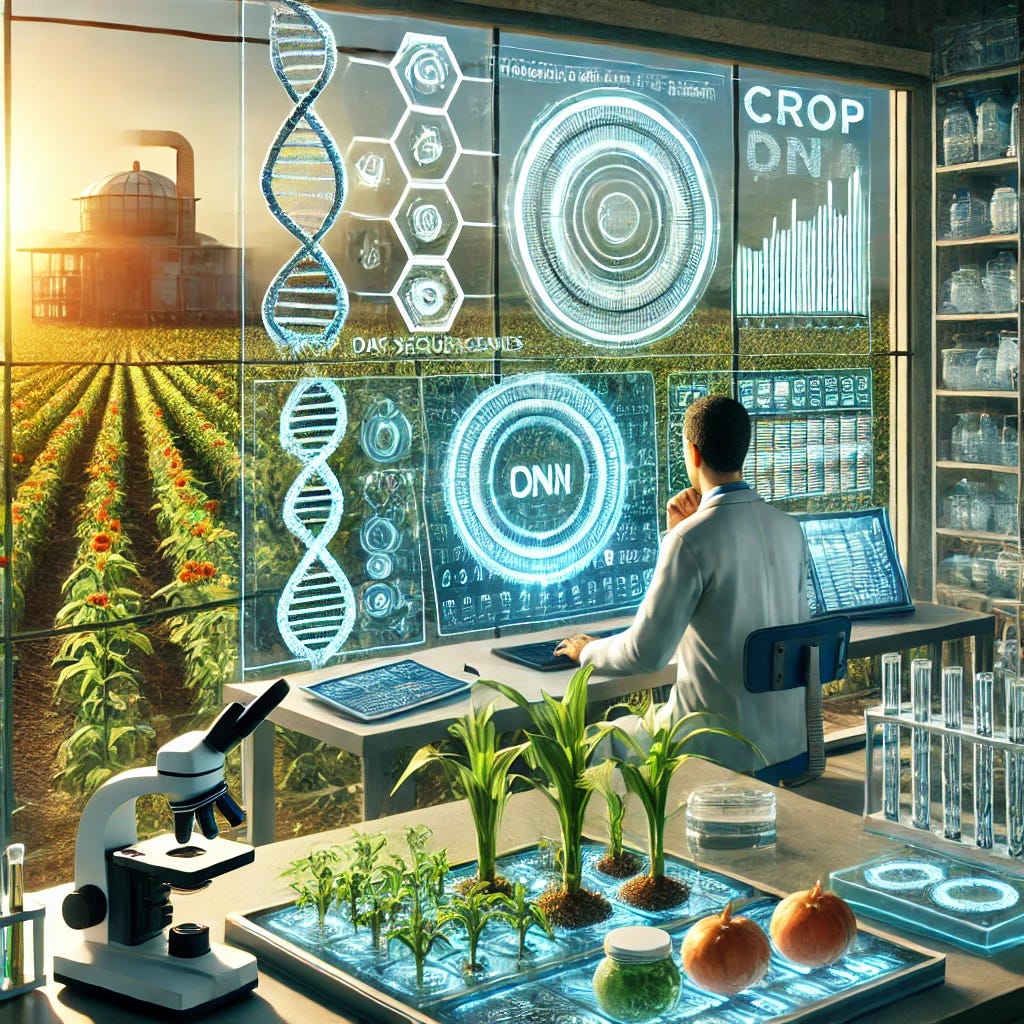
Agricultural genomics makes capital out of biotechnology and genomics to decode the genetic material of crops. By identifying and isolating specific genes responsible for desirable traits, scientists can develop crops that are not only more nutritious but also more adaptable to challenging conditions. Techniques such as CRISPR gene editing provide exact modifications, enabling researchers to enhance traits such as water-conservation, pest resistance and nutrient use efficiency.
For instance, drought-resistant crops have grown into a focal point in research, particularly in regions prone to water scarcity. Scientists are working to identify genes that regulate water retention and stress responses in plants. By integrating these genes into existing crop varieties, they aim to produce crops that can thrive with less water, reducing the reliance on flooding and conserving precious resources.
Benefits of Genetically Engineered Crops
The benefits of agricultural genomics extend beyond mere survival in adverse conditions. Engineered crops can lead to increased yields, which is critical for feeding a growing population. Enhanced resistance to pests and diseases reduces the need for chemical pesticides, leading to more sustainable farming practices and decreased environmental impact. Additionally, these crops can be designed to have improved nutritional profiles, addressing issues of malnutrition in developing countries.
A prime example of successful agricultural genomics is the development of genetically modified (GM) maize varieties that are resistant to specific pests. These crops have been widely adopted in various countries, resulting in higher yields and lower production costs. The economic benefits for farmers can be substantial, enabling them to invest in other areas of their businesses, such as technology and sustainability practices.
Ethical and Environmental Considerations
Despite the potential advantages, agricultural genomics is not incontrovertible. Concerns regarding the safety of genetically modified organisms (GMOs) persist among consumers, leading to resistance in specific markets. Critics argue that the long-term effects of consuming GMOs are still not fully understood. Moreover, the dominance of a few biotech companies in the seed market raises ethical questions about access and equity in agriculture.
Environmental concerns also participate in the argument. Critics worry that engineered crops could crossbreed with wild relatives, potentially disrupting local ecosystems. The introduction of genetically modified traits into the environment necessitates severe regulatory frameworks to ensure safety and minimize risks.
The Role of Policy and Education
To harness the benefits of agricultural genomics while addressing ethical and environmental concerns, effective policy frameworks are essential. Governments must strike a balance between fostering innovation in agricultural biotechnology and ensuring food safety and environmental protection. Engaging stakeholders, including farmers, consumers and scientists, in the regulatory process can lead to more informed decisions and increased public trust.
Education plays a vital role in shaping public perceptions of agricultural genomics. By increasing awareness of the science behind crop engineering, its potential benefits and safety measures, consumers can make informed choices. Programs that promote transparency in food production and educate farmers on best practices can enhance acceptance and understanding of genetically engineered crops.
Future Prospects
Looking ahead, agricultural genomics holds great promise for addressing the challenges posed by climate change. As researchers continue to unlock the secrets of plant genetics, the potential for developing crops that can withstand extreme weather conditions becomes increasingly feasible. Innovations in this field could lead to a new era of agriculture characterized by resilience, sustainability and enhanced food security.
In conclusion, agricultural genomics represents a critical frontier in the quest for sustainable food production in a changing climate. By engineering crops to adapt to environmental stresses, we can not only meet the demands of a growing population but also protect our ecosystems and promote sustainable agricultural practices. As we navigate the complexities of this field, it is essential to foster open dialogue, robust policies and educational initiatives that empower both farmers and consumers in this transformative journey.
References
"Genetic Modification Strategies for Enhancing Plant Resilience to Abiotic Stresses" - SpringerLink
"Advanced Genetics and Genomics and Climate Change Resilient Crops" - Frontiers
"Climate Change: Gene Editing Can Help Create Resilient Crops" - Genetic Literacy Project
"Climate Change and Its Impact on Agriculture" - Frontiers.