
Advancements in CRISPR Technology: Enhancing Precision and Reducing Off-Target Effects

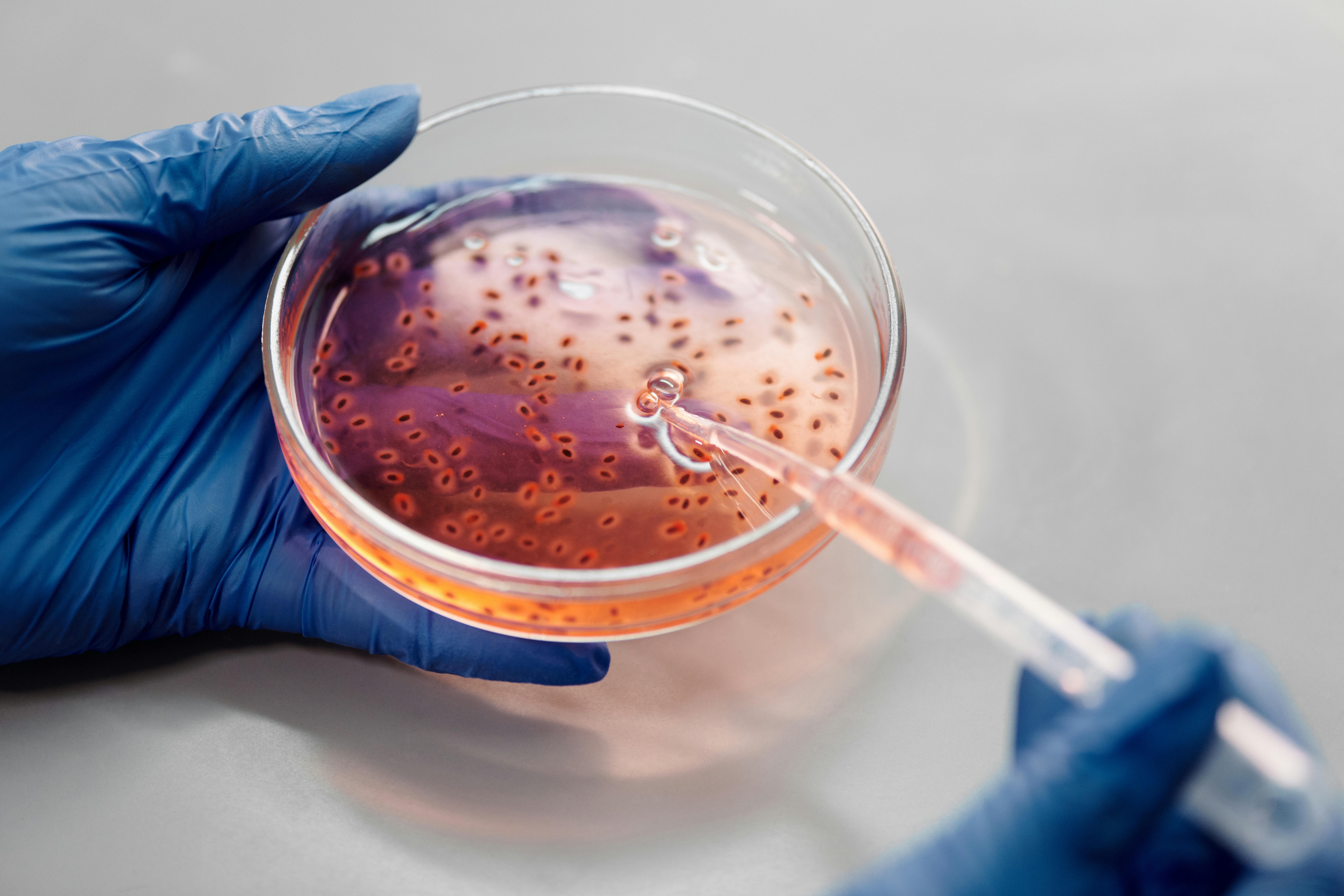
Over the past several years, CRISPR technology has altered dramatically the scientific field of genetics, presenting remarkable capabilities in gene editing. The capability to alter DNA sequences, has opened new horizons for research, medicine and agriculture. Though, the survey for greater precision and reduced off-target effects—unintended changes to the genome—has directed researchers to innovate, continuously. This article explores the latest advancements in CRISPR technology, that improve the precision and moderate off-target effects, opening the way for safer and more effective applications, in various fields.
Understanding CRISPR
CRISPR or Clustered Regularly Interspaced Short Palindromic Repeats, is a natural defense mechanism found in bacteria, which has been used on gene editing. The CRISPR system comprises two key components: the Cas9 protein, which acts as molecular scissors and a guide RNA (gRNA) that directs Cas9 to the specific DNA sequence to be revised. When the gRNA is chained to its target DNA, Cas9 cuts the DNA, allowing scientists to add, delete or modify genes with notable accuracy.
The Challenge of Off-Target Effects
Despite its innovative nature, traditional CRISPR technology has confronted censure, due to off-target effects. These accidental modifications can cause harmful outcomes, especially in therapeutic applications, where precision is critical. Studies have shown that Cas9 may accidentally cut at unwitting sites in the genome, leading to genomic instability and other concerns. In consequence, decreasing these off-target effects, is vital for the safe application of CRISPR, in clinical settings.
Recent Advancements in Precision
Engineered Cas Proteins: One of the most important improvements in CRISPR technology has been the development of engineered Cas proteins. Researchers have created variants of the Cas9 protein that exhibit increased specificity and reduced off-target activity. For instance, high-fidelity variants of Cas9, such as SpCas9-HF1 and eSpCas9, have been engineered to maintain editing efficiency, while minimizing off-target effects. These engineered proteins have shown grand assurance in various studies, enhancing the accuracy of gene editing while maintaining the desired outcomes.
Base Editing: Another breakthrough in CRISPR technology is base editing, a method that allows for precise conversions of DNA bases, without causing double-strand breaks. Base editors combine a catalytically impaired Cas9 protein with a deaminase enzyme, enabling the targeted conversion of adenine to guanine (A to G) or cytosine to thymine (C to T). This technique not only increase precision, but also critically reduces the likelihood of off-target mutations, making it a promising approach for therapeutic interventions.
Prime Editing: Building upon base editing, prime editing represents another important breakthrough, in CRISPR technology. This method allows for the insertion, deletion and replacement of specific DNA sequences without causing double-strand breaks. By using a modified Cas9 protein and a prime editing guide RNA (pegRNA), researchers can achieve precise edits with minimal off-target effects. Early studies have demonstrated the potential of prime editing, in correcting genetic mutations dependable with various diseases, displaying its promise for future therapeutic applications.
Techniques for Assessing Off-Target Effects
For the augmentation of the advancements in CRISPR technology, researchers are developing new techniques to assess off-target effects accurately. Traditional methods, such as targeted deep sequencing, are time-consuming and may not capture all off-target events. However, novel approaches like the use of machine learning algorithms and genome-wide assays have emerged as powerful tools for identifying off-target sites quickly and efficiently. These techniques allow researchers to evaluate the safety and efficacy of CRISPR edits comprehensively, ensuring that only the appropriate modifications occur.

Applications in Medicine and Agriculture
The advancements in CRISPR technology have significant implications for both medicine and agriculture. In medicine, enhanced precision can lead to safer gene therapies for genetic disorders, allowing for targeted treatments with minimal side effects. Clinical trials utilizing high-fidelity CRISPR systems are in progress, aiming to treat conditions such as sickle cell disease and muscular dystrophy.
In agriculture, CRISPR technology holds the potential to create genetically modified crops with improved traits, such as resistance to diseases, enhanced nutritional content and increased yield. By reducing off-target effects, farmers and scientists can develop crops that are not only more resilient but also safer for consumption.
Conclusion
As advancements in CRISPR technology continue to expand, the focus on enhancing precision and reducing off-target effects is primary. Engineered Cas proteins, base editing and prime editing represent significant strides toward achieving safer and more effective gene editing tools. With the potential to revolutionize medicine and agriculture, the ongoing research in this field holds great promise for the future, bringing us closer to realizing the full potential of CRISPR technology in solving some of humanity’s most pressing challenges. As we navigate the ethical implications and safety considerations, it is crucial to ensure that these powerful tools are used responsibly and with the utmost care, paving the way for a brighter future driven by precision gene editing.
References
CRISPR Challenges: Addressing Off-Target Effects and Specificity – tomorrow.bio
Recent Advances in CRISPR-based Genome Editing Technology - bmc
CRISPR/Cas9 Landscape: Current State and Future Perspective - mdpi